Domestic Violence and Maternal Health Her Rights Part 1
Gender equality is not just a fundamental human right, but also a necessary foundation for a peaceful and sustainable world. The World Health Organization (WHO) outlines a developmental goal where gender equality is achieved, and women are empowered. In today’s society, gender equality still persists in a multitude of areas. First, the pay gap that exists between men and women is important to consider and address, where we see a 16.93% and 38% pay gap, respectively. Women are often caregivers in addition to their contributions to the economy and workforce, yet they are still committed to their roles and work. Another issue is the poverty and risk of social exclusion faced by older women in society, which in turn creates barriers to health services. These women experience challenges in seeking and attaining healthcare, leading to poorer overall health in women, and thus, a poorer economy.
Over the last decade, an increasing number of girls have attended schools, those being forced into early marriage have decreased, and women have been normalizing their roles in leadership and advancement. That being said, there are still countless challenges women and girls face around the world that directly relate to health inequity. For example, girls ages 15 to 49 tend to report sexual and physical abuse, and this has been exacerbated by the COVID-19 pandemic, as we’ve seen a dramatic rise in domestic violence. Additionally, maternal health in low- and middle-income countries has been an issue contributing to gender inequality and women’s rights and is something we collectively need to address and move beyond. This blog post will focus primarily on domestic violence, with a following post centering on maternal health and mortality.
136 million women worldwide have been subjected to some form of domestic violence. Domestic violence is one of the leading causes of poor health in women, with issues arising related to mental health, depression, and anxiety, apart for physical ailments and long-term impacts. It can be defined as a pattern of abuse and coercive behavior, such as hitting, slapping, humiliation, and more. Oftentimes, domestic violence is categorized as a physical attack; however, it also encompasses verbal and emotional abuse, where subtle attacks are made against women, such as withholding care, finances, love, and so on. This, in turn, impacts women’s overall health, contributing to gender and health inequity. Women’s health must be considered and taken care of from a holistic perspective, thus implying that many women’s poor health conditions can be traced back to various forms of domestic violence.
Not only do women have to deal with the stigma associated with domestic violence and abuse, but they also have very few rights in terms of legal cases. In low- and middle-income countries particularly, the legal system does not favor women, especially regarding cases centered on sexual abuse. In fact, the blame is often put on women when these cases reach legal levels, and sexual assault, molestation, or abuse go unaddressed. Sexual abuse actually acts as a barrier for women—despite an increase in women receiving an education—as this type of abuse and violence translates into multiple settings, including educational ones. Awareness must be raised for women facing abuse and domestic violence, and legal protection must be provided for women, alongside the required financial support to file cases in a law of court.
Moreover, health inequities amongst women
can be tied to issues of sexual abuse. Specifically, there is very little
taught to young girls and women regarding sexual health. In fact, many
countries teach abstinence rather than the use of contraception, as there is a
sort of taboo around it. As a result, women in low- and middle-income countries
end up having more children than they can afford, leading to lower medical
healthcare, as these women are placed below the poverty line.
Women often return to their abusers, putting their children in harm, as well. A solution to this global pandemic known as domestic violence is teaching citizens about conflict resolution. We must learn how to agree to disagree, and we must do so respectfully. All forms of domestic violence can be traced back to an individual trying to usurp authority. How do we change this? We change it through the ways in which we behave, the behavior we model for our children, and the awareness we raise regarding the issue. We must reflect on our thoughts and feelings before acting on them. We must learn how to appreciate others, how to respect others, and how to praise others.
Teachers, social workers, and parents should be trained in recognizing the signs in children and adults who are exposed to domestic violence. There should be resources available, and teachers, social workers, and parents should know which services to offer those who are experiencing abuse through community referrals. In low-income countries specifically, a major issue the population is facing is a lack of shelters that can readily help abuse victims, and they end up turning people away who need aid.
Moreover, government and public health should speak out on issues related to domestic violence, and the impact of said violence on women’s global rights and health. The government needs to continue to improve upon services for survivors of domestic violence by implementing policies and legislations to ensure those inflicting the violence are criminally charged. It is no one’s right to abuse a woman. We must implement preventative strategies, rather than reactive ones.
It is her right to live freely, happily, and without fear. It is her right to escape domestic violence, and to seek help. Domestic violence and abuse, when unnoticed and unaddressed, shortens the life span of women, and causes long-lasting health issues. Many women are living, but they are not living in good health. They are not addressing their holistic health needs and are consequently ignoring their right to a fruitful life.
Contributor
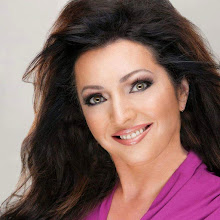
Dr. Ezinne Ijeoma
International Every Girl Win's UK Representative

Watch her full speech https://youtu.be/Rqtp4JLIb-w

Comments
Post a Comment